If you need a London meeting room for later today or tomorrow, start by fixing four things before you search: the exact time window, the real headcount, the tech you genuinely need, and the widest location radius you can justify.
Last-minute booking is common enough that the bigger risk is often not lack of stock, but paying for the wrong postcode, the wrong package, or the wrong room size. The practical goal is not to find the absolute cheapest room. It is to avoid avoidable overspend while still booking something that is presentable, reliable, and easy for people to reach.
Why last-minute bookings become expensive
Urgency tends to push teams towards the most obvious central postcode, a larger room than they need, or a bundled rate that looks tidy but is poor value for a short session.
That is especially common when someone is booking on behalf of other people and the cost of failure feels higher than the cost of overspend. A safe-looking room in Mayfair, Bank, or Marylebone can seem easier to justify internally, even if a similarly practical room one or two stops away would do the job for less.
Bundling is another common problem. A packaged day rate can be convenient, but for a two- or three-hour meeting it may include services you do not need, such as lunch, multiple refreshment rounds, or a formal service model that adds cost without improving the meeting.
What to lock down before you search
Define the meeting outcome
A client pitch, interview, internal workshop, and founder catch-up do not need the same room. If external guests are attending, reception handling, access clarity, and presentation quality matter more. If it is an internal working session, you can usually be more relaxed about decor and hospitality.
Fix the real headcount
Do not book a 12-person room for six people unless you have a clear reason. Oversizing is one of the easiest ways to move into a more expensive tier without any real operational benefit.
Split non-negotiables from preferences
For most business bookings, the non-negotiables are usually reliable Wi-Fi, straightforward screen sharing, good station access, and enough privacy for the type of conversation taking place.
High-spec video kit matters more for client-facing or hybrid meetings. A staffed front desk matters more for interviews and external guests. Stylish interiors matter much less than many rushed searches imply.
Set fallback locations before price starts to steer you
Set a first-choice area, then a one-stop fallback, then a transport-led fallback. That discipline is what stops a rushed search from turning into an expensive one.
Once you have fixed the brief, compare meeting rooms in London rather than searching blind by postcode and hoping the first acceptable room is good value.
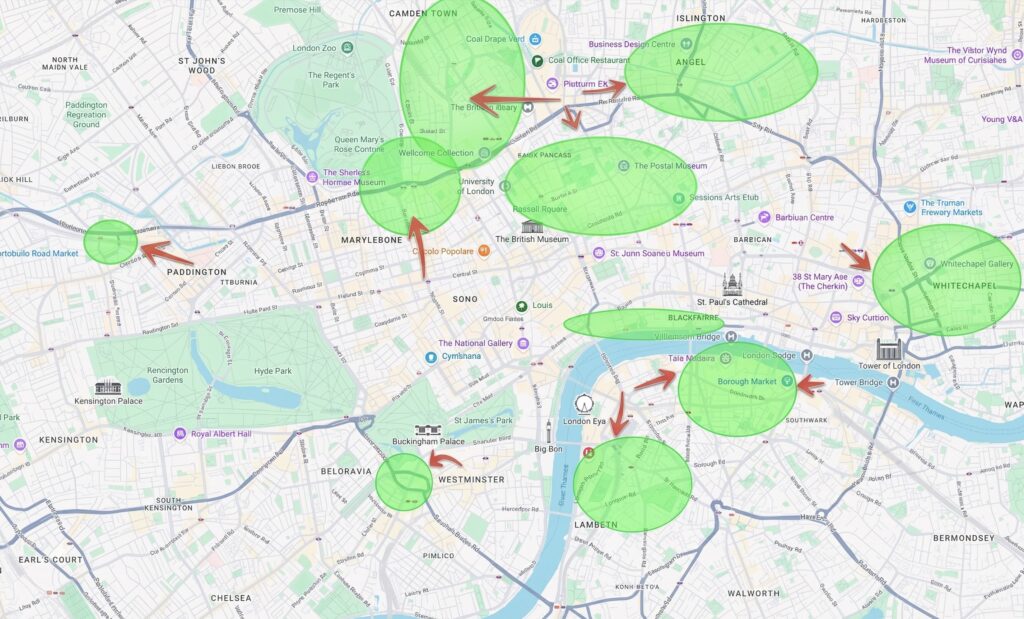
Where to widen the search in London
The practical question is not whether a room sits in the most prestigious postcode. It is whether people can get there easily and whether the room is fit for purpose.
| Expensive starting point | Smarter fallback | Why it can work |
|---|---|---|
| Bank / Liverpool Street | Aldgate / Whitechapel | Similar business catchment with lower location premium |
| Mayfair / Marylebone | Paddington / Victoria | Better value without losing central access |
| Midtown / Holborn | Farringdon | Easy for cross-London travel and often less inflated |
| St Pancras / King’s Cross | Angel / Russell square / Camden | High inventory and strong transport convenience |
| Westminster | Embankment | Proximity |
| London Bridge | Borough | Proximity |
If Bank or Liverpool Street looks overpriced, start with meeting rooms in Whitechapel before assuming you need to stay in the City core.
If you need a rail-friendly and high-inventory backup, meeting rooms near St Pancras are often easier value than more obvious central options.
If the real goal is value rather than the absolute cheapest possible room, it is also worth reviewing affordable meeting rooms in London once you have decided how far you can flex on location.
Stratford, Paddington, and Victoria can also be sensible fallback zones when transport convenience matters more than postcode prestige. The aim is not to lower standards. It is to stop paying for legacy assumptions about where the meeting has to happen.
If you do not have time to compare locations, check hidden costs, and chase confirmations yourself, services such as Zipcube can help shortlist suitable rooms quickly and reduce the booking admin.
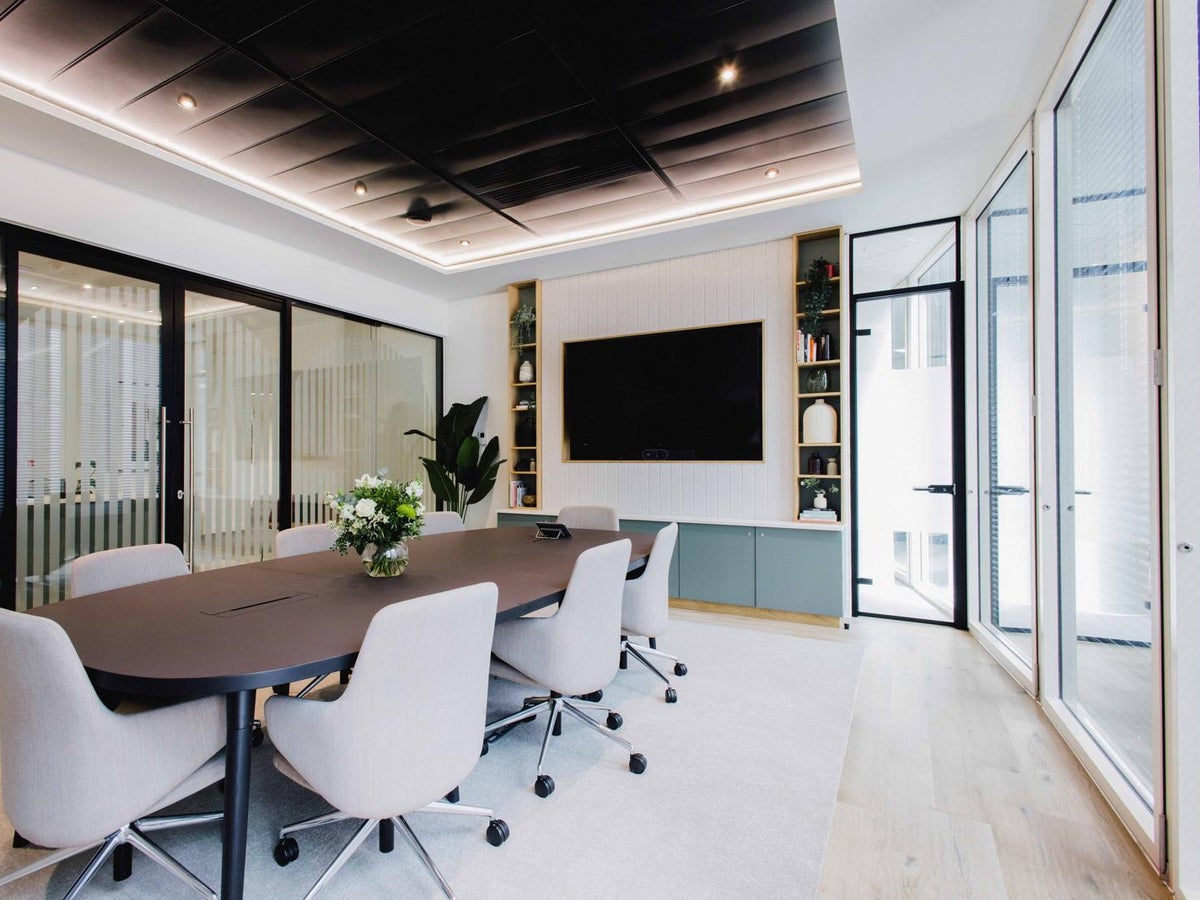
What to keep, and what you can often sacrifice
Usually worth keeping
Reliable AV is worth protecting for pitches, investor conversations, and hybrid meetings. A cheaper room stops being good value if the first ten minutes disappear into screen-sharing problems or weak video setup.
Clear guest handling is also worth keeping when external attendees are involved. For Executive Assistants in particular, smooth arrival matters more than lifestyle-style design details.
Acoustic privacy is another genuine non-negotiable for interviews, HR conversations, legal discussions, or sensitive commercial meetings.
Often safe to sacrifice
Prestige address is often the easiest thing to drop. For many meetings, one or two extra stops makes little difference to the outcome and a large difference to cost.
Oversized capacity buffers are another easy cut. Extra seats rarely improve the meeting, but they often push the booking into a more expensive room category.
Hot catering and delegate-style packaging are also worth challenging. For short meetings, tea, coffee, and nearby food options are often enough. Same-day hot catering can be harder to arrange cleanly and may not justify the additional spend.
Decor-led premiums usually matter less than bookers think. Natural light can help on a long workshop, but quirky styling or prestige finishes are rarely what makes a business meeting work.
Hidden costs to check before you confirm
A low headline rate is not the same as a low final cost. Before you approve the booking, check the total payable figure and the conditions around it.
- Check whether VAT is included or added later.
- Check whether service charge applies to the room, the catering, or both.
- Check whether you are being pushed into a half-day rate, delegate package, or minimum spend that does not match the meeting length.
- Verify what included tech actually means, including screens, video setup, adapters, and whiteboards.
- Confirm access, setup time, and overrun rules before approving the booking.
- Check how the booking will be invoiced if someone else is attending on behalf of the business.
Hotels can still be useful for urgent bookings, but it is worth comparing hotel meeting rooms in London against simpler hourly options before you commit to a packaged format.
If invoicing and approval flow matter as much as the room itself, Zipcube Business is the most relevant destination for teams that need cleaner admin and reporting.
A rapid last-minute booking checklist
- What is the meeting type: pitch, interview, workshop, or internal update?
- How many people are actually attending?
- Which features are true non-negotiables?
- Which fallback locations are acceptable?
- Is the quote the full cost, including VAT, service charge, and any minimum spend?
- Are access, setup time, and overrun rules clear?
- Is the room the right size rather than simply the safest-looking option?
- Will the booking and invoicing process be clean enough for the team using it?
If you need to move quickly, compare live availability only after you have fixed the brief, widened the geography, and checked the total cost. That is usually what makes the difference between a rushed booking and an expensive one.