Coworking Space in Old Street
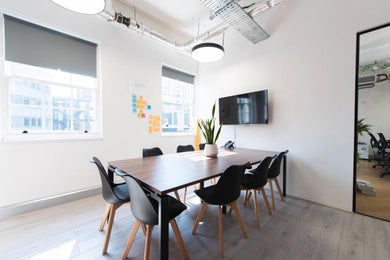
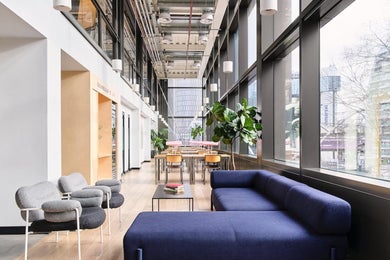
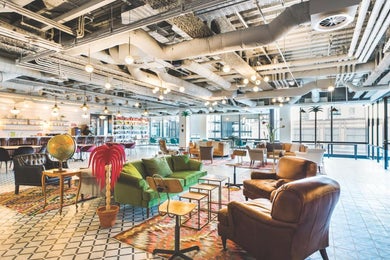
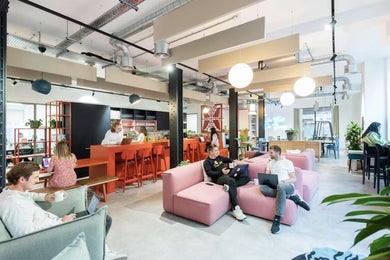
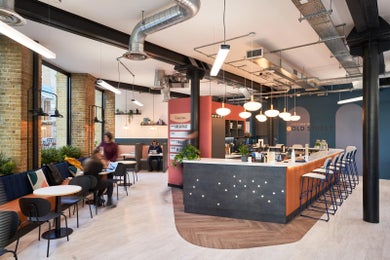
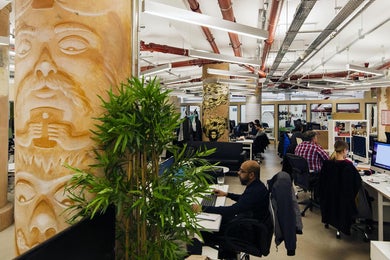
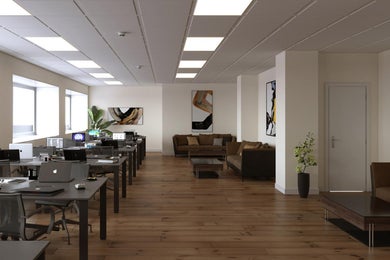
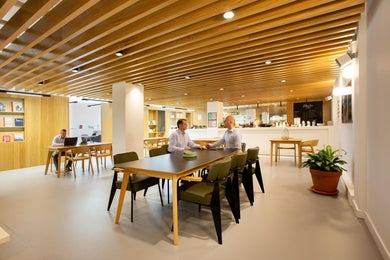
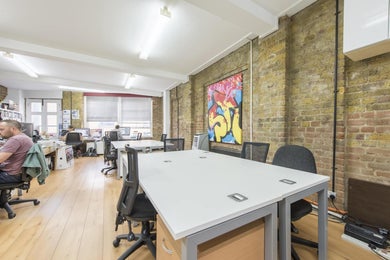
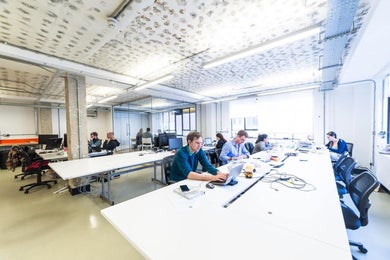
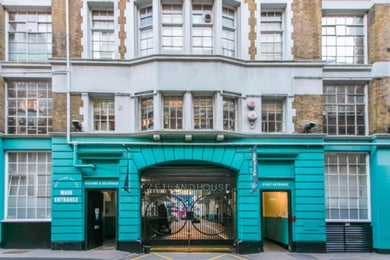
Old Street's coworking scene reads like a who's who of London's tech evolution. From Fora's rooftop running track at White Collar Factory to The Trampery's B Corp-certified studios on Old Street itself, this square mile contains over 20 distinct coworking operations. The area's transformation from roundabout to Silicon Roundabout brought operators ranging from WeWork's multi-floor complexes to intimate spots like The Workers' League on Bonhill Street. With day passes starting at £25 and dedicated desks spanning £200 to £875 monthly, Old Street serves everyone from bootstrap founders to scale-ups ready for their IPO roadshow. Let Zipcube match you with the perfect workspace in EC1's innovation heartland.
Select type of offices and team size to get better results.
100 Shapes
No reviews yetNew
  1. · Old Street
100 Shapes
Price£251/mo · Fixed Desk
Up to 4 people ·
WorkPad: 4 Garrett Street
No reviews yetNew
  1. · Barbican
WorkPad: 4 Garrett Street
From Price£7,500/mo · 8 Private Office
Up to 216 people ·
Runway East - Shoreditch
No reviews yetNew
  1. · Old Street
Runway East - Shoreditch
Price£525/mo · Fixed Desk
From Price£2,700/mo · 10 Private Office
Up to 29 people ·
The Brew - Eagle House
No reviews yetNew
  1. · Old Street
The Brew - Eagle House
Price£314/mo · Fixed Desk
From Price£1,161/mo · 8 Private Office
Up to 48 people ·
WorkLife - Old Street
1 Review1 Review
  1. · Old Street
WorkLife - Old Street
Price£350/mo · Hot Desk
From Price£1,250/mo · 8 Private Office
Up to 24 people ·
Mindspace Shoreditch
No reviews yetNew
  1. · London Liverpool Street
Mindspace Shoreditch
From Price£300/mo · Hot/Dedicated Desk
From Price£1,260/mo · 9 Private Office
Up to 34 people ·
Huckletree Shoreditch
Rating 4.9 out of 54.910 Reviews (10)
  1. · Moorgate
Huckletree Shoreditch
From Price£3,920/mo · 5 Private Office
Up to 40 people ·
WorkPad: 4 Garrett Street
No reviews yetNew
  1. · Barbican
WorkPad: 4 Garrett Street
From Price£7,500/mo · 5 Private Office
Up to 50 people ·
IDEALondon
No reviews yetNew
  1. · Moorgate
IDEALondon
From Price£50/mo · Hot Desk
Price£400/mo · Fixed Desk
Up to 94 people ·
beyond The Bower
No reviews yetNew
  1. · Old Street
beyond The Bower
From Price£99/mo · Hot/Dedicated Desk
From Price£7,680/mo · 7 Private Office
Up to 100 people ·
Skip the scroll
Get a tailored shortlist from an expert
We'll send you a free expertly-curated selection of your best matches on (and off) the market
3 Old Street Yard, White Collar Factory
No reviews yetNew
  1. · Old Street
3 Old Street Yard, White Collar Factory
Price£149/mo · Hot Desk
Price£299/mo · Fixed Desk
Up to 14 people ·
Purpose - Development House
No reviews yetNew
  1. · Old Street
Purpose - Development House
From Price£2,200/mo · 4 Private Office
Up to 24 people ·
Studio Shoreditch
No reviews yetNew
  1. · Old Street
Studio Shoreditch
From Price£5,500/mo · 2 Private Office
Up to 30 people ·
The Workers League Shoreditch
No reviews yetNew
  1. · Old Street
The Workers League Shoreditch
Price£300/mo · Hot Desk
Up to 35 people ·
SPACES - Epworth House, City Road
No reviews yetNew
  1. · Old Street
SPACES - Epworth House, City Road
Price£216/mo · Hot Desk
Price£330/mo · Fixed Desk
Up to 28 people ·
Oneder
No reviews yetNew
  1. · Old Street
Oneder
Price£150/mo · Hot Desk
Up to 92 people ·
Shoreditch Meeting Rooms at Zetland House
Rating 4.7 out of 54.719 Reviews (19)
  1. · Old Street
Shoreditch Meeting Rooms at Zetland House
Price£360/mo · Hot Desk
Up to 2 people ·
Workhouse One Shoreditch - Floor 3
No reviews yetNew
  1. · Old Street
Workhouse One Shoreditch - Floor 3
Price£375/mo · Hot Desk
Up to 20 people ·

Your Questions, Answered

Old Street operates as London's unofficial tech HQ, with venues specifically designed for the startup lifecycle. Techspace runs three separate buildings here, each configured for different growth stages, while Huckletree Shoreditch in the Alphabeta Building hosts a dedicated auditorium for pitch events. The concentration creates a network effect: your morning coffee at Fora's Albert House might lead to a chance encounter with your next investor. Unlike Soho's media focus or the City's corporate feel, Old Street coworking spaces build in features like podcast rooms, prototype workshops and 24/7 access as standard.

Your Old Street coworking budget depends entirely on your working style. Work.Life offers unlimited coworking from £220 monthly, while premium spaces like Fora's Black & White Building start at £875 per person. Most operators cluster around £300-£450 for dedicated desks, with day passes typically £25-£45. The sweet spot? Venues like The Brew on Eagle House combine character with value at £314 monthly, while The Trampery's dedicated desks at £450 include access to their wider network. Factor in that many spaces include free meeting room credits, saving you £30-£50 per hour on client meetings.

Meeting room provision varies dramatically across Old Street's coworking landscape. Runway East gives members free access to 20 meeting rooms, from phone booths to 16-person boardrooms. Fora's Albert House packs 10 meeting spaces into its converted warehouse, while Beyond at The Bower offers nine high-spec rooms with Old Street Tower views. For occasional users, WeWork's pay-per-use model at 1 Mark Square works well, though members at smaller operators like The Workers' League get free meeting room access that would cost £36+ hourly elsewhere.

Day pass availability transformed Old Street into London's most flexible coworking district. WeWork's network offers passes from £45 daily, while Huckletree provides access from £35. Several operators run trial programmes: Work.Life's Flex membership bundles multiple day passes, and Spaces on City Road sells passes through Zipcube at £30. The Brew and smaller independents often accommodate walk-ins, though booking ahead secures better rates. Consider that five day passes typically equal a month's hot-desking membership, making regular day-pass use an expensive habit.

Old Street station's Northern Line connection puts most coworking spaces within a 3-minute walk, with venues like Fora's White Collar Factory and Beyond at The Bower less than 60 seconds from the exit. The area's transport advantage extends beyond the obvious: Moorgate's Elizabeth Line sits 5-7 minutes from most venues, while Liverpool Street's everything-goes-everywhere hub is 8-10 minutes away. Shoreditch High Street's Overground adds East London connectivity. Even better, the flat topography and wide pavements make the area genuinely cyclable, with most venues offering secure bike storage and showers.

Tech startups gravitate to specific Old Street venues for good reason. Techspace's three locations explicitly target product and engineering teams, with Worship Street adding a dedicated podcast room for content creators. Runway East cultivates an accelerator atmosphere with regular demo days and investor meetups, while Huckletree Shoreditch connects founders through curated events. For earlier-stage teams, The Trampery's £450 dedicated desks include discounted meeting rooms and a strong sustainability focus that resonates with impact-driven founders. WeWork's scale suits rapidly growing teams needing to flex up quickly.

Independent operators thrive alongside Old Street's corporate names. The Workers' League on Bonhill Street maintains a deliberately indie vibe with garden space and free meeting rooms from £199 monthly. The Brew operates two nearby sites, converting a 1920s dance hall into characterful workspace with game rooms and on-site cafes. The Trampery, one of London's original coworking pioneers, keeps its Old Street hub deliberately mid-sized to preserve community feel. These smaller operators often provide more flexibility on contracts and create tighter member communities than their multi-national neighbours.

Old Street coworking amenities go well beyond desk-and-WiFi basics. Fora's White Collar Factory features that famous rooftop running track, while Albert House includes a speakeasy-style lounge and screening room. Standard provisions across most venues include barista coffee (not just machine), shower facilities, bike storage and phone booths. Higher-end spaces add wellness rooms, gyms and event spaces. Techspace sites include podcast studios, WeWork provides wellness rooms, and Huckletree offers a dedicated wellness studio. Even budget options like The Brew include free tea/coffee and access to their network-wide facilities.

The major chains each bring different strengths to Old Street. WeWork's two buildings offer maximum flexibility with their All Access Plus from £329 monthly, ideal if you work across London. Spaces (IWG) provides more affordable options from £188 monthly with a professional atmosphere. Fora operates five locations within walking distance, creating a micro-network with premium amenities and from £575 for private offices. Consider your priorities: WeWork for network scale, Spaces for value, Fora for premium experience, or Regus for pure convenience with multiple nearby centres and day office options from £119.

Each Old Street venue cultivates its own distinct community personality. Huckletree actively curates its member mix, hosting regular demo days and founder dinners in their Alphabeta auditorium. Runway East feels like a permanent hackathon with its startup-heavy membership and late-night coding sessions. The Trampery attracts impact-focused businesses aligned with their B Corp values, while Mindspace on Appold Street draws a more corporate crowd from nearby Liverpool Street. Smaller spaces like The Workers' League create village-like atmospheres where everyone knows everyone. The beauty of Old Street? You can venue-hop until you find your tribe.

Coworking Space in Old Street:
The Expert's Guide

Understanding Old Street's Coworking Evolution

Old Street's transformation from traffic roundabout to Tech Roundabout created Europe's densest cluster of coworking spaces. The story begins with The Trampery opening at 239 Old Street, proving that startups would pay for community over corner offices. Today's landscape spans 22+ dedicated coworking operations within a 10-minute walk of the station, from Fora's five-venue empire to single-site independents.

The area's coworking evolution mirrors London's tech trajectory. Early spaces focused on affordability and flexibility. Then came the amenity arms race: rooftop terraces, podcast studios, wellness programmes. Now we're seeing segmentation, with venues like Techspace explicitly targeting product teams while Huckletree curates founder-focused communities. This specialisation means you're not just choosing a desk but selecting your professional ecosystem.

Navigating Price Points and Value Propositions

Old Street coworking pricing follows clear patterns once you decode the structure. Entry-level hot-desking starts around £200-£250 monthly at Regus and The Brew, perfect for freelancers needing occasional desk space. Mid-tier dedicated desks (£300-£450) dominate the market, with Work.Life, The Trampery and Runway East competing on community and amenities rather than price alone.

Premium operators like Fora command £575-£875 for private office membership, but include benefits that transform the equation. Meeting room access alone could save £500+ monthly for client-facing businesses. Beyond at The Bower positions itself at the luxury end with 400 desks and Old Street Tower prestige. Smart operators bundle services: WeWork's All Access Plus at £329 seems expensive until you factor in network-wide access across London. Always calculate total cost including meeting rooms, guest passes and those supposedly free coffees.

Matching Venues to Business Stages

Your business stage should drive your Old Street venue selection. Bootstrap startups find their home at The Workers' League or The Brew, where £199-£314 monthly hot-desking includes the basics without breaking pre-revenue budgets. Growing teams graduate to Runway East or Techspace, where dedicated desks and team suites accommodate 5-15 person operations.

Scale-ups requiring 20+ desks discover that WeWork's flexibility or Fora's multiple locations provide expansion options without relocation trauma. Established businesses use Old Street strategically: keeping innovation teams at Huckletree while maintaining corporate HQ elsewhere, or booking project space at Mindspace for three-month sprints. The venue variety means you can evolve within Old Street's ecosystem rather than departing for Canary Wharf when you hit 50 employees.

Decoding Transport and Accessibility

Old Street's coworking supremacy stems partly from unbeatable transport geometry. The Northern Line delivers you to Fora's White Collar Factory or Beyond at The Bower in under 60 seconds from the tube exit. But the real advantage lies in optionality: Moorgate's Elizabeth Line (5-7 minutes walk) connects to Heathrow and Reading, while Liverpool Street (8-10 minutes) offers everything from Stansted Express to overground lines.

Venue clusters create micro-transport patterns. The City Road corridor (Spaces, The Brew, Regus) suits those approaching from Angel or King's Cross. Great Eastern Street venues like Fora's cluster serve Shoreditch High Street commuters. The Worship Street/Appold Street zone bridges to Liverpool Street's financial workers. Even within Old Street, a 3-minute walk difference changes your daily routine, so map your actual journey rather than assuming all venues are equal.

Meeting Rooms and Event Space Strategies

Meeting room access separates Old Street's premium operators from budget options. Runway East's 20 free meeting rooms for members represents roughly £2,000 monthly value for teams hosting regular client meetings. Fora's Albert House provides 10 meeting rooms while their White Collar Factory offers network-wide booking across 500+ rooms. Smart operators recognise that meeting space drives retention more than ping-pong tables.

Event capabilities add another dimension. Huckletree's auditorium hosts product launches and investor pitches, while Techspace's 'Loading Bay' at Luke Street accommodates 100-person gatherings. The Trampery prices meeting rooms at member discounts, typically 50% below external rates. Consider your meeting patterns: daily client calls need phone booths (standard at most venues), weekly team sessions require 6-8 person rooms, while quarterly boards or monthly meetups demand proper event space.

Building Your Old Street Coworking Strategy

Successful Old Street coworking requires strategy beyond picking the prettiest space. Start with trial periods: Huckletree's day passes at £35 or Work.Life's flexible memberships let you test the vibe. Many businesses run hybrid approaches, maintaining dedicated desks at somewhere like The Trampery while keeping WeWork All Access for London-wide flexibility.

Timing matters enormously. January and September see highest demand as businesses reset, pushing prices up and availability down. August and December offer negotiation opportunities, particularly for longer commitments. Some venues offer 'summer specials' or 'founder rates' for early-stage companies. Building relationships with community managers unlocks unlisted benefits: room upgrades, event invitations, introduction programmes. The best deals rarely appear on websites but emerge through conversations.

Hidden Gems and Alternative Options

Beyond the headline venues, Old Street harbours lesser-known coworking treasures. Club Workspace at The Frames (Workspace's Phipp Street building) flies under the radar despite excellent facilities and £250-£350 monthly pricing. Fora's Rivington Street locations, technically Shoreditch but 8 minutes from Old Street, offer quieter alternatives to their flagship sites.

Alternative models proliferate too. Techspace's Shoreditch South on Scrutton Street provides self-contained floors with dedicated kitchens and meeting rooms, essentially private offices with coworking economics. The Bower's Beyond operation blends hotel-style service with workspace. Some businesses combine multiple small memberships rather than one large commitment, using Regus for meeting rooms, The Brew for daily working and WeWork for client entertainment.

Wellness, Sustainability and Culture Factors

Old Street venues increasingly compete on wellness and sustainability credentials. Fora's White Collar Factory achieved BREEAM 'Excellent' certification and features that rooftop running track, while The Black & White Building showcases timber construction and natural ventilation. The Trampery's B Corp status attracts values-driven businesses, creating clusters of social enterprises and impact startups.

Cultural programming varies wildly between venues. Huckletree runs structured programmes with speaker series and investor office hours. Runway East feels more organic, with member-led events and informal knowledge sharing. WeWork's scale enables everything from wine tastings to yoga classes. Smaller venues like The Workers' League foster intimate communities where birthday cakes appear mysteriously and everyone knows your coffee order. Match the culture to your working style: forced networking exhausts introverts, while extroverts wither in library-silent spaces.

Technology Infrastructure and Digital Services

Tech infrastructure separates serious coworking spaces from glorified coffee shops with desks. Techspace explicitly designs for development teams with multiple broadband providers and backup connections. Fora standardises on enterprise-grade WiFi with dedicated bandwidth for meeting rooms. WeWork's app ecosystem handles everything from room booking to guest registration, though some find it overwhelming.

Look beyond basic connectivity. Does the space offer printer/scanner access without queuing? Can you receive packages and store equipment securely? Are there enough power sockets for your entire team plus their seventeen devices each? Podcast rooms at Techspace and Runway East include professional recording equipment. Some venues provide member perks like software discounts or AWS credits. These details matter more than advertised internet speeds when you're pushing code at midnight or running client demonstrations.

Making Your Old Street Coworking Decision

Choosing your Old Street coworking home requires balancing multiple variables against your specific needs. Start by shortlisting 3-4 venues: perhaps Runway East for community, Work.Life for value and Fora for premium amenities. Visit during your typical working hours to assess noise levels and crowds. Test the coffee, check the bathroom queues at lunch, count the available phone booths.

Consider growth trajectories. That perfect 10-person suite becomes problematic when you hit 15 staff. Flexible operators like WeWork or multi-site networks like Fora provide expansion options. Contract terms matter: monthly rolling contracts offer flexibility but cost more than annual commitments. Some venues negotiate heavily on longer terms, particularly for larger teams. Through Zipcube, you can compare real availability and pricing across Old Street's entire coworking ecosystem, transforming a week-long venue hunt into an afternoon's focused decision-making.