Corporate event venues for hire in London
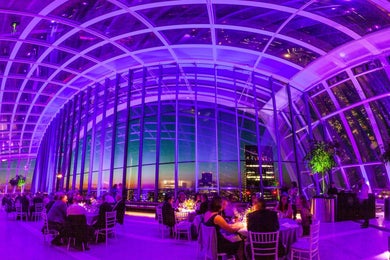
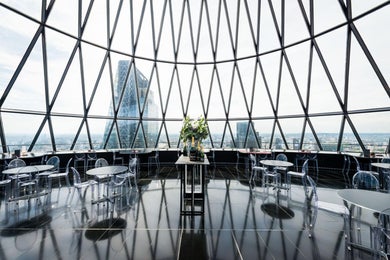
When Goldman Sachs needed to celebrate their London expansion, they didn't book just any venue. They transformed the Natural History Museum's Hintze Hall into a prehistoric wonderland beneath Hope, the blue whale. That's the calibre of corporate event spaces you'll find across London's 32 square miles. From Landing Forty Two's glass box suspended 42 floors above the City to the HAC's private six-acre estate hidden behind Moorgate, each venue tells a different story. With over 30 world-class spaces on Zipcube ranging from intimate 50-person boardrooms to Olympia's 7,000-capacity Grand Hall, we've mapped every corporate entertainment option that matters. Let's match your next AGM, product launch or awards ceremony with a venue that actually delivers.
Enter dates and number of people to get better results.
Lower Floor
1 Review1 Review
  1. · Southwark
Lower Floor
Price£1,350
Up to 150 people ·
Conversation Room and Mezzanine
No reviews yetNew
  1. · Green Park
Conversation Room and Mezzanine
Price£4,620
Up to 100 people ·
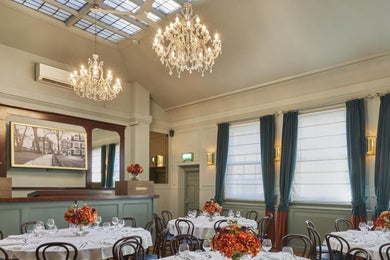
The Judge’s Court dining room
1 Review1 Review
  1. · Leicester Square
The Judge’s Court dining room
Price£3,080
Up to 130 people ·
The David Burbidge Suite
No reviews yetNew
  1. · Liverpool Street
The David Burbidge Suite
Price£2,464
Up to 120 people ·
Cabana
No reviews yetNew
  1. · London Liverpool Street
Cabana
Price£560
Up to 11 people ·
Bedouin Tent & Garden
Rating 4.6 out of 54.64 Reviews (4)
  1. · Liverpool Street
Bedouin Tent & Garden
Price£280
Up to 35 people ·
The Old Beer Cellar
1 Review1 Review
  1. · Farringdon
The Old Beer Cellar
Price£700
Up to 60 people ·
Piano Bar
1 Review1 Review
  1. · Leicester Square
Piano Bar
Price£1,680
Up to 100 people ·
Lower Terrace
No reviews yetNew
  1. · Aldgate
Lower Terrace
Price£560
Up to 80 people ·
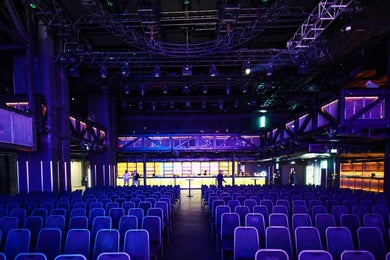
Auditorium
2 Reviews2 Reviews
  1. · Shoreditch High Street
Auditorium
Price£3,622
Up to 250 people ·
Skip the scroll
Get a tailored shortlist from an expert
We'll send you a free expertly-curated selection of your best matches on (and off) the market
Roof Terrace
No reviews yetNew
  1. · Shoreditch High Street
Roof Terrace
Price£4,480
Up to 80 people ·
The Drawing Room
No reviews yetNew
  1. · Russell Square
The Drawing Room
Price£336
Up to 100 people ·
The Stables Room
No reviews yetNew
  1. · Streatham
The Stables Room
Price£150
Up to 70 people ·
Studio 3
No reviews yetNew
  1. · Upper Holloway
Studio 3
Price£400
Up to 30 people ·
Dining Area & Conservatory
No reviews yetNew
  1. · Highbury & Islington
Dining Area & Conservatory
Price£336
Up to 100 people ·
Messina Room
No reviews yetNew
  1. · Leicester Square
Messina Room
Price£336
Up to 55 people ·
G Bar at the Grosvenor Piccadilly
1 Review1 Review
  1. · Piccadilly Circus
G Bar at the Grosvenor Piccadilly
Price£500
Up to 60 people ·
Roof Studio
Rating 4.8 out of 54.810 Reviews (10)
  1. · Elephant & Castle
Roof Studio
Price£120
Up to 200 people ·
The Chesterfield Room
No reviews yetNew
  1. · Green Park
The Chesterfield Room
Price£448
Up to 60 people ·
Conference room
No reviews yetNew
  1. · Chancery Lane
Conference room
Price£4,480
Up to 400 people ·

Your Questions, Answered

For scale with sophistication, the Natural History Museum's Hintze Hall accommodates 1,200 standing beneath that famous blue whale, whilst Old Billingsgate's Grand Hall handles up to 2,500 guests across its Victorian market floor. Sky Garden caps at 700 with those panoramic views from level 35, though you'll need to book their limited exclusive dates well ahead. The Science Museum's Making the Modern World gallery fits 750 amongst the industrial exhibits. For pure capacity, nothing beats Olympia London's Grand Hall at 7,000 or ExCeL's ICC Auditorium with 4,200 theatre-style seats.

Real venue pricing varies dramatically by season and scale. Sky Garden publishes exclusive hire from £24,500 plus a £25,000 minimum catering spend. The Natural History Museum's Hintze Hall starts at £29,500 for weekday dry hire. Mid-tier options like Stationers' Hall run £6,000-£18,000, whilst Banking Hall in the City typically ranges £10,000-£30,000 for evening events. Remember these are space-only fees; with catering, AV and production, budget £150-£250 per head for a complete premium experience at venues like The Dorchester or Somerset House.

The HAC's Artillery Garden remains unmatched for summer builds, accommodating 3,000+ guests on private grounds just five minutes from Moorgate. Somerset House's River Terrace hosts 500 overlooking the Thames, whilst the V&A's John Madejski Garden provides an intimate oasis for 600 in South Kensington. For altitude, try IET London's Johnson Roof Terrace near Embankment or Kings Place's canal-side Battlebridge Room. Trinity House offers exclusive hire with gardens viewing Tower of London, perfect for smaller executive gatherings of 180.

Liverpool Street connects directly to The Brewery (8 minutes) with its Porter Tun space for 900, whilst ExCeL sits just 1-3 minutes from Custom House on the Elizabeth line. From King's Cross, reach Kings Place in 6-8 minutes for their 400-seat auditorium. Westminster station puts you 4 minutes from Central Hall Westminster's 1,997-seat Great Hall and the QEII Centre's 32 meeting rooms. Charing Cross delivers you to 8 Northumberland Avenue in 2-3 minutes, perfect for their 700-capacity ballroom events.

For pure grandeur, Guildhall's Great Hall seats 700 for banquet beneath medieval hammerbeam roofs, though City of London protocols apply. The National Gallery's picture galleries create unparalleled ambience for 350 diners surrounded by masterpieces. Tate Modern's Turbine Hall manages 700 for dinner in that dramatic industrial space. Plaisterers' Hall offers neoclassical elegance for 280 with their chandeliered Great Hall near Moorgate. For something more intimate, Trinity House provides maritime heritage for 130 diners with exclusive use.

Product launches demand drama, and London delivers. Roundhouse offers a 2,500m² circular floor with built-in theatrical lighting for 1,800 guests. Tobacco Dock provides 16,000m² of Victorian vaults and galleries for elaborate brand experiences. The Design Museum's atrium works brilliantly for design-led products, whilst Landing Forty Two gives you floor-to-ceiling windows on level 42 of the Cheesegrater. For tech launches, consider Science Museum's Illuminate suite with integrated digital capabilities for 450.

Awards season (September-November) sees venues like JW Marriott Grosvenor House's Great Room booked 12-18 months ahead for its 2,000-capacity space. Sky Garden's exclusive dates release annually and sell within weeks. Museums like the V&A and Natural History Museum typically require 6-9 months for large events. January-March conference season fills QEII Centre and Central Hall Westminster 4-6 months out. Summer venues like Somerset House's River Terrace book by February for June-August events.

QEII Centre leads with 5 Gbps bandwidth and QEII Live production across 32 rooms including the 700-seat Churchill Auditorium. ExCeL's ICC Auditorium provides broadcast-grade infrastructure for 4,200 delegates. IET London's Kelvin Lecture Theatre comes fully equipped for 451 with riverside views. The Brewery offers dedicated in-house AV across Porter Tun and King George III suites. For hybrid events, Glaziers Hall provides 1 Gbps fibre connectivity with their 300-seat Banqueting Hall by London Bridge.

Old Billingsgate's three levels offer ultimate flexibility for 2,500 guests with those Tower Bridge views from the terrace. Tobacco Dock's 40+ interconnected spaces let you create entire brand worlds across 16,000m². Royal Horticultural Halls provide two soaring Edwardian spaces, with Lawrence Hall accommodating 1,500 standing. Tate Modern's Turbine Hall gives you monumental scale for 1,200, completely brandable. For something different, Alexandra Palace offers 10,000-person capacity with indoor and outdoor activation zones.

Museums typically operate dry-hire with approved caterer lists: Natural History Museum publishes transparent tariffs from £29,500, you choose from their partners. Hotels like The Savoy and Dorchester bundle space with F&B minimums. Dedicated venues like 8 Northumberland Avenue offer DDR packages from around £75 per person. Exclusive-hire venues like Banking Hall and Trinity House require full-venue booking. Modern spaces like Landing Forty Two and Sky Garden combine hire fees (£10,000-£35,000) with minimum spends (£25,000+ catering).

Corporate event venues for hire in London:
The Expert's Guide

Understanding London's Corporate Venue Landscape

London's corporate event scene operates on multiple tiers, each serving distinct business needs. At the summit, you'll find the museum quartet: Natural History Museum, Science Museum, V&A and National Gallery, where hiring Hintze Hall or the Great Court makes a statement about your organisation's cultural credentials. These venues command £20,000-£60,000 for evening hire but deliver unmatched prestige.

The City cluster around Bank and Liverpool Street offers proximity and efficiency. Landing Forty Two on level 42 of the Leadenhall Building provides those Instagram moments, whilst The Brewery's Porter Tun handles 900 delegates with military precision. Historic livery halls like Plaisterers' and Stationers' bring gravitas to awards ceremonies without the museum price tags.

Then there's the flexible middle ground: venues like Somerset House and Guildhall that shape-shift between conferences, dinners and receptions. Understanding these tiers helps you navigate Zipcube's inventory more effectively, matching your event's ambitions with realistic venue options.

Decoding Capacity Numbers and Layout Configurations

Venue capacity figures can mislead if you don't understand the context. Sky Garden advertises 700 standing, but that's across three floors with limited flow between levels. The Natural History Museum's 2,500 whole-museum capacity sounds impressive until you realise guests spread across multiple galleries, diluting the atmosphere.

Focus on usable capacity for your format. JW Marriott Grosvenor House's Great Room genuinely seats 2,000 for dinner at round tables with proper spacing. Old Billingsgate's Grand Hall manages 1,200-1,800 for seated dinners depending on your stage requirements. The HAC's Prince Consort Rooms deliver 400 theatre-style with excellent sightlines.

Consider flow space too. Tobacco Dock excels here with 40+ interconnected spaces allowing natural movement between sessions. ExCeL's ICC Auditorium might seat 4,200, but factor in the registration areas, exhibition space and breakout rooms that make large conferences actually work. Always request floor plans showing your specific setup, not maximum theoretical capacity.

Transport Links That Actually Matter

Forget the myth that central equals accessible. ExCeL London, seemingly remote in Royal Docks, sits 1-3 minutes from Custom House on the Elizabeth line, making it more accessible than many Zone 1 venues. The HAC hides behind an anonymous entrance on City Road but delivers delegates from Moorgate in five minutes flat.

Multiple stations matter more than proximity to one. Somerset House sits equidistant from Temple, Charing Cross and Covent Garden, giving delegates options when lines fail. South Kensington's museum cluster benefits from three stations (South Kensington, Gloucester Road, High Street Kensington) spreading arrival flows.

Consider post-event dispersal too. Sky Garden and Landing Forty Two look spectacular but funnel everyone through limited lift banks. Olympia London connects directly to its own station, handling 7,000 guests without crushing at nearby stops. For international delegates, prioritise Elizabeth line venues: ExCeL from Heathrow in 45 minutes beats battling the Piccadilly line to South Kensington.

Seasonal Dynamics and Booking Patterns

London's corporate calendar creates distinct booking pressures. September through November sees awards season peak, with venues like The Dorchester Ballroom and Guildhall Great Hall booked 12+ months ahead. The Roundhouse and Old Billingsgate become fashion week territories in February and September, commanding premium rates.

January to March brings conference season. QEII Centre's 32 rooms fill with pharmaceutical and finance summits. Kings Place and IET London see back-to-back bookings. Smart planners book April-May or late November for better rates and availability at premium venues.

Summer shifts the focus outdoors. The HAC's Artillery Garden and Somerset House's River Terrace command premiums June through August. Museums like the V&A open their gardens, Trinity House becomes viable with its outdoor spaces. December means party season competition: secure Tobacco Dock or Banking Hall by June for Christmas events. August remains London's secret weapon for corporate events, with 30-40% lower rates at many venues while decision-makers holiday.

Hidden Costs and Budget Realities

Published venue hire rarely tells the whole story. Sky Garden's £24,500 exclusive hire requires a £25,000 minimum catering spend, making your real commitment £49,500 before adding a single microphone. The Natural History Museum's £29,500 Hintze Hall fee is genuinely dry hire: add £30,000+ for approved catering, £15,000 for production, £8,000 for security and cleaning.

Service charges bite hard. Hotels add 15-20% to everything: that £180 per person gala dinner at The Savoy becomes £216. Historic venues require specific insurance levels. Glaziers Hall might seem reasonable at £12,500 per day, but factor in their approved supplier requirements.

Production costs escalate in heritage spaces. Guildhall's medieval architecture means complex rigging for simple projection. Tate Modern's Turbine Hall needs serious kit to fill that volume with sound. Modern purpose-built venues like QEII Centre or The Brewery include basic AV, saving £10,000-£20,000 versus starting from scratch. Always request fully inclusive quotes through Zipcube to avoid budget shocks.

Venue Selection by Event Type

Awards ceremonies demand specific capabilities. JW Marriott Grosvenor House's Great Room remains the gold standard with built-in stage, 2,000 capacity and slick back-of-house operation. Central Hall Westminster offers similar scale at lower cost. For creative industries, Roundhouse brings authentic edge with its circular performance space.

Conferences need different DNA. QEII Centre provides 32 rooms for breakouts, exhibition space and that crucial 5 Gbps bandwidth. Kings Place offers dual auditoria for plenaries plus canal-side networking spaces. The Brewery clusters its spaces for easy delegate flow between sessions.

Product launches require drama and flexibility. Tobacco Dock's vaults create multiple reveal moments across 16,000m². Landing Forty Two's views make every product shot spectacular. Tate Modern's Turbine Hall provides the scale for automotive launches. For intimate executive briefings, Trinity House or IET London's riverside rooms deliver discretion with style. Match the venue's personality to your event's objectives, not just its capacity.

Catering Capabilities and Dietary Realities

In-house versus approved caterers fundamentally changes your event planning. Hotels like The Dorchester and Savoy control every canapé, ensuring consistency but limiting flexibility. Museums operate approved lists: Natural History Museum offers eight caterers from Zafferano to Moving Venue, each with different strengths and price points.

Scale challenges quality at many venues. Sky Garden handles 300 beautifully for dinner but struggles at 700-person cocktails. Conversely, ExCeL and Olympia's industrial kitchens excel at 1,000+ covers. Tobacco Dock's multiple caterers mean you can mix providers: bowl food from one, bars from another.

Dietary requirements now drive venue choice. Somerset House's caterers excel at complex dietary matrices. The HAC offers exclusive outdoor cooking for authentic BBQ experiences. Kosher and Halal capabilities vary wildly: Guildhall and JW Marriott Grosvenor House have established protocols, while newer venues scramble. Always test catering with a site visit meal, particularly at venues like 8 Northumberland Avenue where food quality varies by provider.

Technical Infrastructure for Modern Events

Connectivity separates professional venues from beautiful spaces. QEII Centre's 5 Gbps bandwidth handles 2,000 delegates streaming simultaneously. Glaziers Hall provides 1 Gbps fibre for hybrid events. Many heritage venues struggle: Stationers' Hall and Banking Hall need supplementary WiFi for large groups.

Power provision affects everything from staging to phone charging. ExCeL's ICC Auditorium offers broadcast-standard power distribution. The Brewery includes three-phase throughout. Historic venues like Plaisterers' Hall require generators for major productions, adding £5,000-£10,000 to budgets.

Built-in infrastructure saves money and stress. IET London's Kelvin Lecture Theatre includes cameras, screens and streaming capability. Landing Forty Two provides LED walls as standard. Kings Place offers acoustic excellence without amplification. Conversely, Old Billingsgate and Royal Horticultural Halls are true blank canvases, requiring everything from scratch. Through Zipcube, always specify your technical requirements upfront to avoid discovering limitations after signing contracts.

Navigating Museum and Heritage Venue Politics

Museums operate differently from commercial venues. The National Gallery prioritises cultural fit over revenue, rejecting applications that don't align with their mission. Natural History Museum requires sustainability commitments. The V&A offers corporate membership tiers that unlock booking privileges and reduced rates.

Livery halls bring their own protocols. Guildhall adheres to City of London Corporation standards. Stationers' Hall and Plaisterers' Hall have member events that take precedence. Trinity House exclusively hires, simplifying logistics but requiring full-venue commitment.

Lead times stretch longer at heritage sites. Tate Modern needs six months for Turbine Hall events. Somerset House restricts dates during their public programme. Sky Garden releases exclusive dates annually, selling out within weeks. Work with Zipcube to navigate these institutional requirements, understanding that flexibility and early planning unlock these prestigious spaces.

Making the Final Venue Decision

Beyond logistics and budgets, successful venue selection requires matching atmosphere to objectives. The Natural History Museum's Hintze Hall creates wonder but can overwhelm intimate gatherings. Banking Hall delivers Art Deco drama but lacks outdoor space for summer refreshment.

Test your shortlist against three scenarios: arrival impact, mid-event energy, and departure logistics. Landing Forty Two stuns on arrival with those express lifts and views, maintains energy with natural light, but creates bottlenecks at departure. Tobacco Dock spreads impact across multiple spaces, maintains energy through variety, and disperses crowds efficiently.

Consider your follow-up requirements too. Hotels like JW Marriott Grosvenor House offer accommodation packages for international delegates. ExCeL connects to multiple hotels for multi-day conferences. Alexandra Palace provides parking for 1,500 cars if your delegates drive. The perfect venue balances aspiration with practicality, using Zipcube's filters to narrow options before investing time in site visits. Remember, the venue that photographs beautifully might not deliver operationally, whilst functional spaces like QEII Centre consistently exceed expectations through sheer professionalism.